

Spotlight: The importance of school feeding programmes
Our Philanthropy and Partnerships team look at the evidence and impact of school feeding
School feeding programmes and what the evidence eells us
When people ask me why Mary’s Meals focuses on school feeding, I often return to a simple but powerful encounter that shaped everything that followed.
Before Mary’s Meals began, our work looked very different. In the early 1990s, through Scottish International Relief, we responded to crises in the Balkans, supported children living with HIV in Romania, and ran a medical clinic in Liberia after conflict had devastated local health services. We learned a great deal from those experiences. But again and again, we saw the same pattern: hunger and poverty were keeping children out of school.
In 2002, during a visit to Malawi, our founder Magnus met Edward, a 14-year-old boy caring for his siblings as their mother was dying of AIDS. When asked what he hoped for in life, Edward replied: “I would like to have enough food to eat and to be able to go to school one day.”
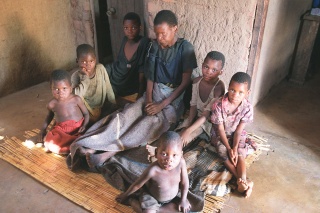
That simple answer brought clarity. Hunger and lack of education were intertwined, and if we could address hunger in schools, we could unlock both.
We began by serving meals in just one school. It didn’t take long to see that the impact reached far beyond the classroom. Children came to school, they stayed and learned. Families felt the relief and communities began to strengthen around a shared purpose.
Over time, what started as one initiative became our sole focus. We realised that school feeding was not just one intervention among many, it was one of the most powerful ways we could support children and their communities.
Why are School feeding programmes important?
According to the World Food Programme, school feeding programmes are among the most effective and comprehensive interventions for improving children’s lives.
School meals increase school enrolment, attendance and retention, whilst also improving learning outcomes, including literacy, numeracy and cognitive development. They also act as the largest social safety net in the world, supporting vulnerable children and families during crises driven by conflict, climate shocks and economic instability.
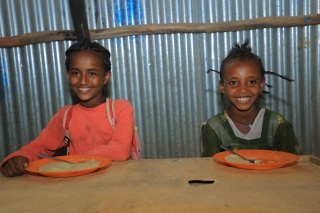
What the evidence shows
Reaching the poorest households: For families living in poverty, the value of a daily school meal can represent 10–20% of annual household food expenditure. That relief allows families to redirect scarce resources to other essential needs.
Improving access to education and learning: Systematic reviews across Africa show strong evidence that school meals increase enrolment and attendance while improving academic performance.
Delivering nutritional gains: Studies across low and middle income countries demonstrate improved growth indicators, including height and weight, among children receiving school meals.
Strengthening local economies: When food is sourced locally, school feeding creates reliable markets for smallholder farmers, stabilises incomes and strengthens local food systems.
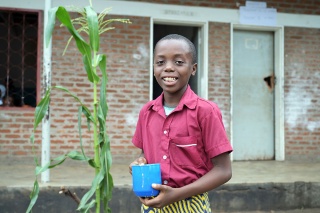
What is the impact of our school meals?
Since 2002, Mary’s Meals has focused on one simple promise: to provide a daily school meal to children living in the world’s poorest communities, and to keep that promise.
What sets our approach apart is not only what we do, but where and how we do it. We deliberately prioritise areas of greatest need, places affected by poverty, instability, climate shocks or fragile education systems.
Data collected from our programmes shows that a dependable daily meal plays a powerful role in helping children experience school as a place of routine, safety and normality, particularly when life beyond the school gates is unpredictable.
Our model is built around the belief that communities should one day be able to sustain their own solutions. We commit to serving meals for as long as they are needed, and we actively plan for the moment when communities can take full ownership.
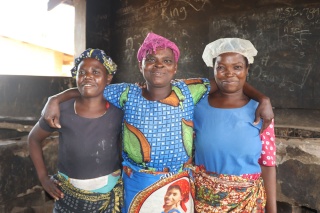
Our programmes are intentionally:
Community driven. Local volunteers prepare and serve meals, with parents and community members are closely involved. This approach helps strengthen social cohesion and supports long-term livelihoods.
Sustainable. We prioritise locally sourced food, promoting healthier diets and are more environmentally sustainable. This reinforces local food systems, create jobs across farming, food preparation and supply chains, and delivers particularly strong benefits for girls and women, through improved educational outcomes and increased economic opportunities.
For me, this is what makes school feeding so powerful. A simple daily meal does far more than fill an empty stomach. It supports learning, relieves pressure on families, strengthens communities and creates conditions for long-term change.
It all began with one boy’s hope, enough food to eat and the chance to go to school. That hope continues to guide us today.
This Month's Programme Updates
Southern Africa: One year on from the emergency appeal
This time last year, we wrote to you about Southern Africa facing the worst drought in 100 years. One year on, heavy and prolonged rains have flooded rivers, displaced communities, and damaged infrastructure.
- Malawi: Access has become harder, but no programme schools have been directly affected and feeding continues.
- Mozambique: Schools were on holiday at the time, teams were safely evacuated, and assessments will begin as schools reopen.
- Zambia: Access to schools will be harder to reach between January and April, but feeding continues with close remote monitoring.
- Zimbabwe: Ongoing weather warnings in place, but teams continue to monitor conditions closely.
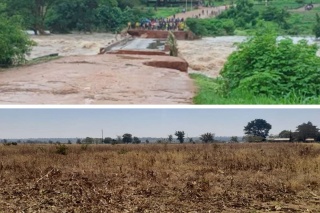
This climate contrast is a stark reminder of how unpredictable environmental extremes have become. What remains constant is a daily school meal, offering nourishment, routine and reassurance for children.
Ramadan Reflections
Amirah Houry, Head of our Philanthropy and Partnerships team, shares her reflections on faith and community in her blogpost Ramadan Reflections – you can read all about it here.
Coming up in March
Instead of our planned audio update, we will be sending you some important information about our programmes in Haiti, so please do keep an eye out for this.
